
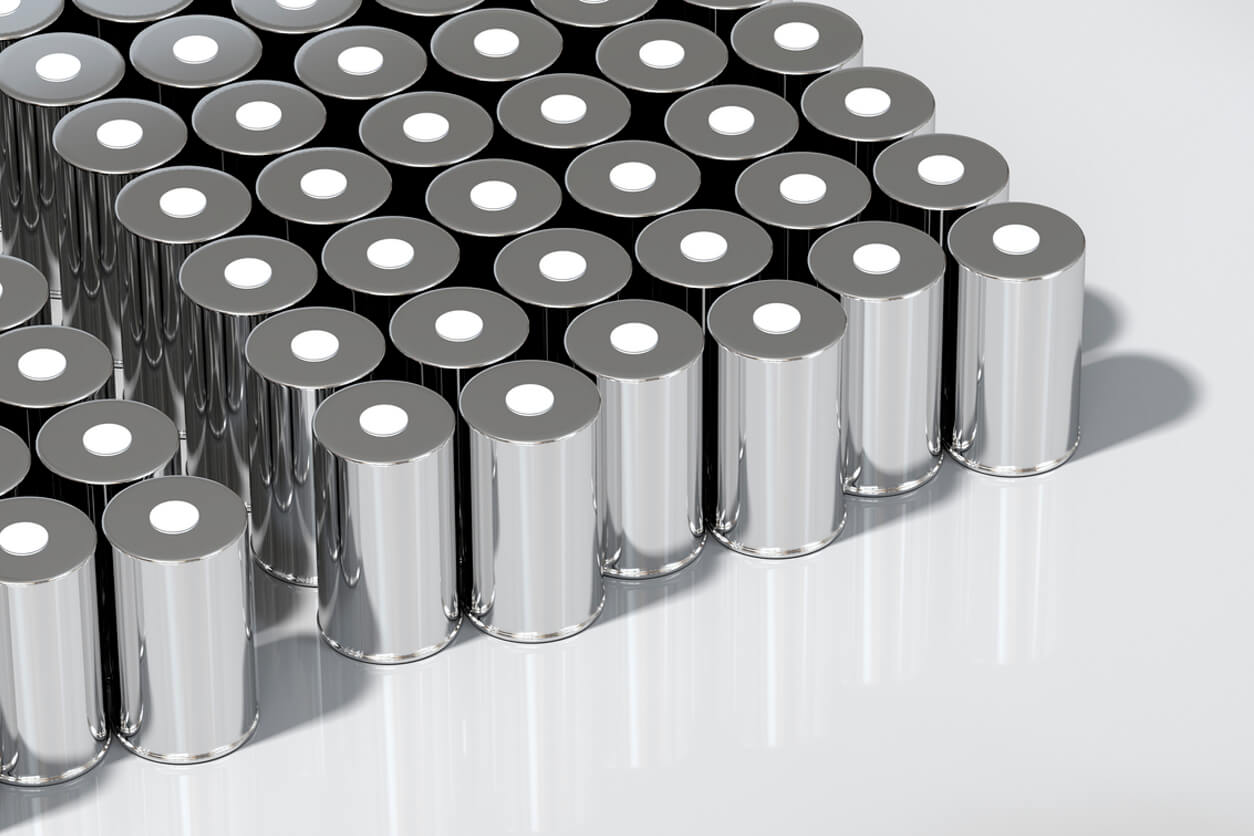
Lithium-ion batteries have become a vital part of everyday life, powering devices from smartphones and laptops to vapes and electric vehicles. As demand continues to rise, the global market for these batteries is projected to grow by 30% annually until 2030, largely fueled by the increasing adoption of electric vehicles.
The appeal of lithium-ion batteries is clear—they are compact, lightweight, and offer high energy density and longevity. However, this surge in usage has also led to a rise in lithium-ion battery fires in Australia, with over 1,000 incidents reported in the past year, prompting concerns about their safety.
Risks Associated with Lithium-Ion Batteries
When properly manufactured and used, lithium-ion batteries are generally safe. However, poorly made, damaged, or improperly used batteries can pose significant risks, including fires, explosions, and the release of toxic gases. Fires from these batteries can reach extreme temperatures quickly and are notoriously difficult to extinguish due to a phenomenon known as thermal runaway.
Understanding Thermal Runaway
Thermal runaway is a process characterised by a rapid, self-perpetuating increase in temperature. As a battery generates heat, the reaction speed increases, which in turn generates even more heat at an accelerated rate. Lithium-ion battery fires can escalate from temperatures of 100 degrees Celsius to over 1,000 degrees Celsius in just a second. Moreover, these fires produce their own oxygen, further fueling the flames.
Extinguishing a lithium-ion battery fire is challenging. While cooling the battery with water can help, it will not eliminate the fire. As long as the battery retains energy, the fire can persist and may even reignite hours or days later, giving the false impression that it has been extinguished.
Evolving Technology and Safety Improvements
Fortunately, advancements in battery technology are continuously improving safety. We now understand lithium batteries better than ever, leading to innovations that enhance their reliability. For instance, some new batteries are designed with materials that reduce risk, while others feature temperature-monitoring technology that automatically shuts the battery off if it overheats. You may have experienced this with your smartphone, which alerts you when it becomes too hot, or with a car dashboard that shuts off in extreme heat. Often, it is the absence of such safety features in cheaper or poorly manufactured batteries that makes them hazardous.
Safe Management of Lithium-Ion Batteries
You might be surprised to learn how many electronic devices utilise lithium-ion batteries, including digital cameras, smartphones, laptops, watches, vapes, portable power packs, solar energy storage systems, electric vehicles, bikes, scooters, and even medical devices like pacemakers. It is estimated that by 2026, each household will own an average of 33 items powered by lithium-ion batteries.
To minimise the risk of fire, consider the following safety tips:
- Charge batteries on non-flammable surfaces, like tiles or concrete.
- Store and charge larger batteries, such as those in e-bikes and power tools, in a garage away from living areas.
- Avoid charging batteries while sleeping or when unattended.
- Unplug devices once fully charged.
- Use only chargers from the device manufacturer that are specifically designed for that device.
- Ensure chargers bear the Australian Regulatory Compliance Mark.
- Purchase electronic items from reputable companies that adhere to safety standards.
- Do not use or charge batteries that show signs of swelling, leaking, or overheating.
- Avoid charging devices that are cracked, dented, or punctured.
- Recycle lithium-ion batteries at specialised facilities instead of disposing of them in regular waste.
For a detailed guide on lithium-ion battery safety, visit the Fire and Rescue NSW website.
Recycling Lithium-Ion Batteries
Devices that have reached the end of their life are classified as e-waste, which should not be disposed of in regular bins but recycled at designated e-waste facilities. Improper disposal poses risks to both people and the environment. A notable incident occurred in Canberra, where a recycling plant caught fire in 2022 due to a lithium-ion battery, resulting in its ongoing closure. This highlights the critical need for proper disposal practices.
Reducing Risk for Your Business
Business owners can take proactive steps to ensure safety when using lithium-ion batteries. Like individual users, businesses should prioritise safe storage and charging and source electronics from reputable suppliers. Additionally, compliance with building regulations and fire safety codes is essential. Investing in fire extinguishers specifically designed for lithium battery fires is also advisable. Many businesses are already familiar with managing electrical risks through regular testing and tagging, which can help mitigate lithium-ion battery risks as well.
How Clearlake Insurance Brokers Can Help
Ensuring your business has appropriate insurance coverage can provide protection against various accidents and incidents. Our insurance brokers can assist you in selecting the right coverage, reviewing your insured amounts, and alerting you to emerging risks such as lithium-ion batteries. For more information, contact your local Clearlake Insurance Brokers office today.
The information in this article is general and does not consider individual objectives, financial situations, or needs. For tailored advice specific to your circumstances, please contact Clearlake Insurance Brokers directly.